How PPC Works to Drive Instant Traffic and Sales
how ppc works is one of the most common questions business owners ask when they want faster results online. If you need instant visibility, leads, or sales, PPC is a powerful way to reach people who are already searching or ready to buy. Because Rank You Higher runs PPC with a clear plan, your ad budget goes toward real outcomes instead of random clicks.
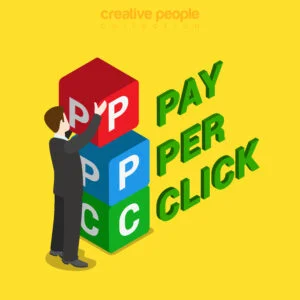
PPC stands for Pay Per Click, which means you pay only when someone clicks your ad. Instead of paying just to display the ad, you pay when a real user takes action. As a result, your spending stays more controlled and easier to track.
Understanding PPC in real life
Think of PPC like renting a prime billboard spot, but online. For example, when a person searches on Google, ads can show above the normal results. Meanwhile, on platforms like Facebook and Instagram, ads appear in the feed based on user interests and location. In both cases, the goal is to reach the right person at the right moment with the right message.
What decides whether your ad shows?
Most platforms run a quick auction in the background. During this auction, they compare ad relevance, landing page quality, and expected performance across advertisers. Therefore, a helpful ad with a strong landing page can often beat a higher budget ad, because platforms want users to have a good experience.
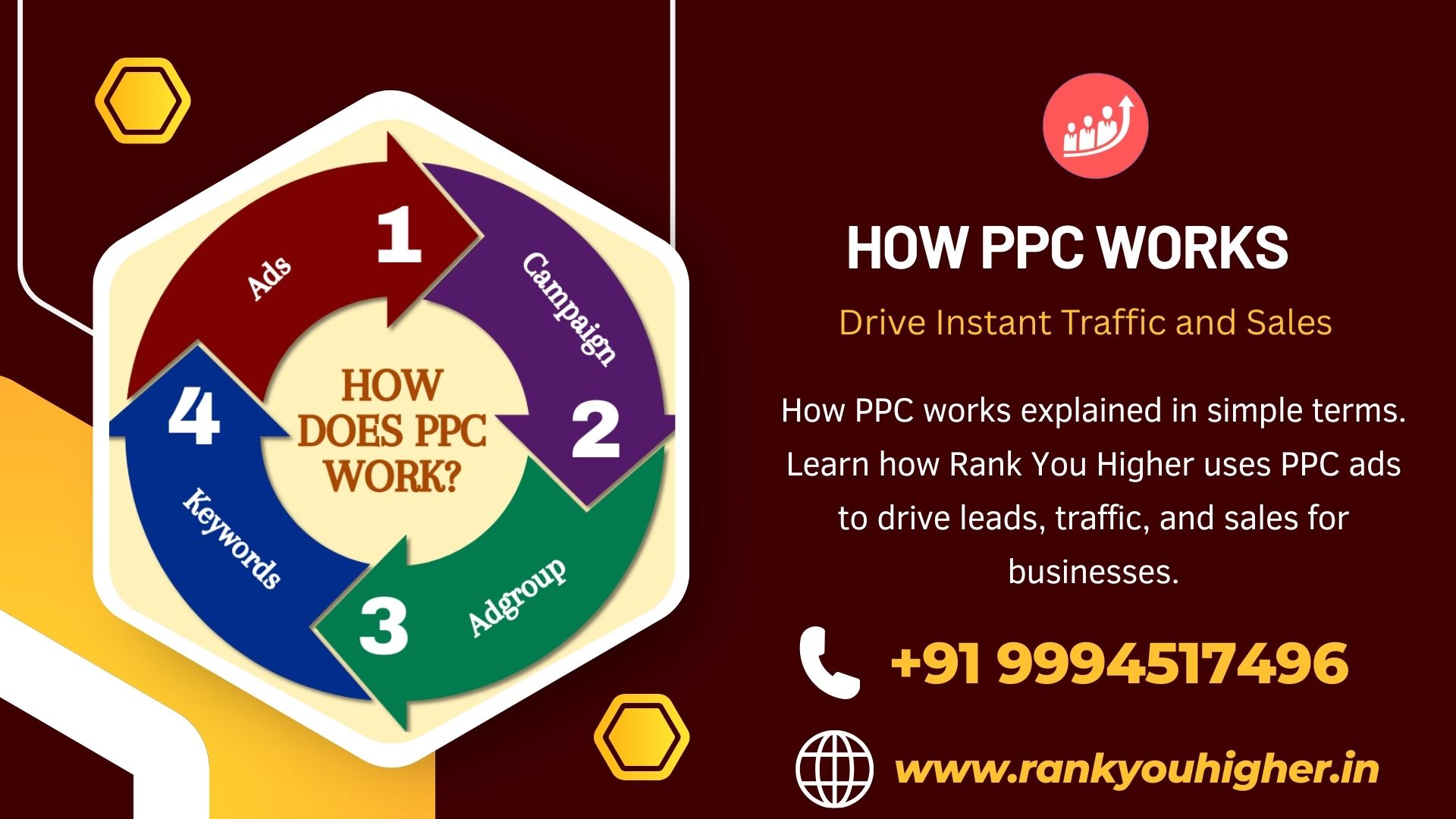
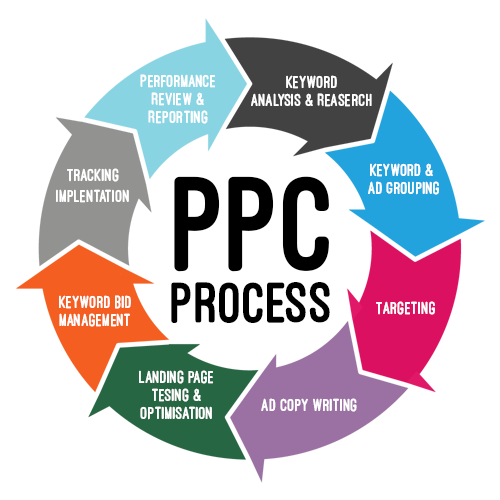
How PPC Works Step by Step for Faster Results
Step 1: Choose the goal
Every campaign starts with a goal. For instance, some businesses want calls, while others prefer form submissions or WhatsApp messages. Once the goal is clear, it becomes easier to pick the right campaign type and measure success properly.
Step 2: Pick the right audience
For Google Search, the audience comes from what people type. On the other hand, for Meta Ads, the audience comes from interests, behaviors, and location settings. Because targeting matters a lot, Rank You Higher focuses on high-intent audiences so you reach people who are more likely to convert.
Keyword Research: How PPC Works with Search Intent
Keywords tell Google when your ad can appear. To improve lead quality, a strong campaign targets keywords that show buying intent, not just curiosity. In addition, we filter irrelevant searches by adding negative keywords, so your ad avoids the wrong clicks and your budget stays protected.
Step 3: Write ad copy that gets clicks
Your ad message must match what the user wants. For example, clear benefits, trust signals, and one simple action line usually perform best. If your message feels confusing, people scroll past. However, if it feels helpful and specific, they click with confidence.
Step 4: Send users to the right landing page
The click is only the beginning. Therefore, a landing page should load fast, look good on mobile, and guide the user to one main action. Otherwise, users leave quickly and the click cost becomes wasted.
Step 5: Control budget and improve performance
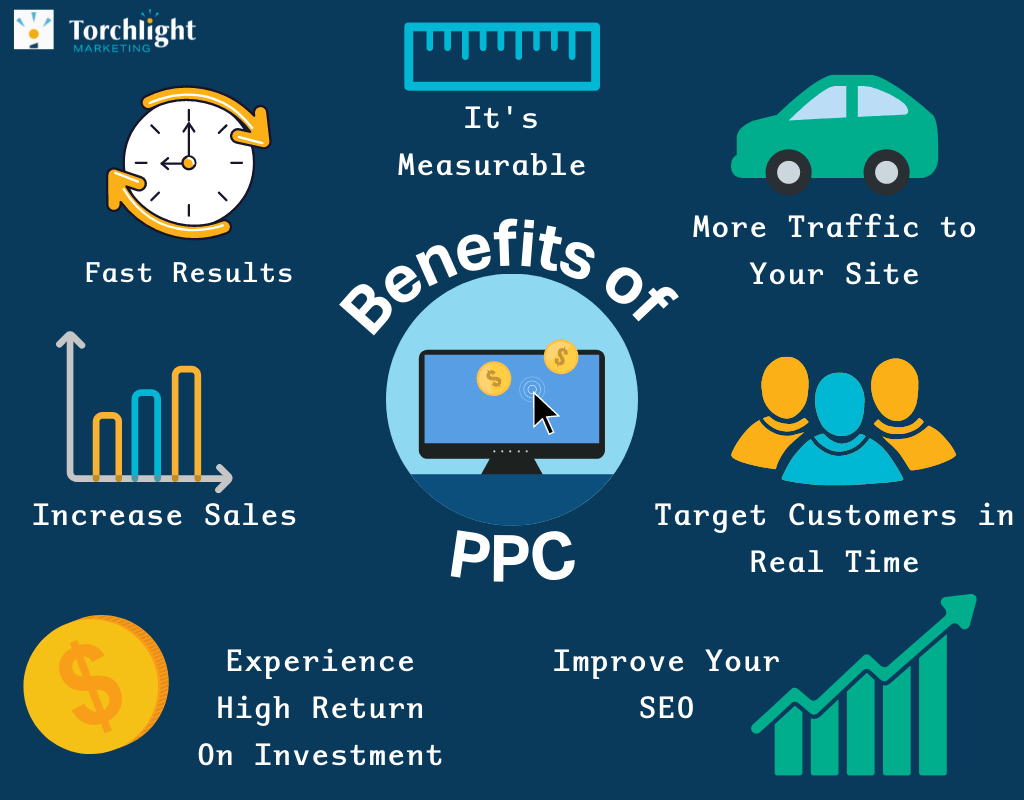
One big advantage of PPC is control. For example, you can set daily limits, pause campaigns anytime, and scale what’s working. Because performance changes over time, Rank You Higher monitors results and pushes budget toward the ads and audiences that bring conversions.
Tracking and Optimization That Improves Conversions
Good PPC is not “set and forget.” Instead, we track clicks, calls, forms, and cost per result to understand what’s working. Then we adjust targeting, refine ads, and improve landing pages so your results keep improving month after month.
Common PPC terms made easy
| PPC Term | Simple Meaning |
|---|---|
| CPC | The cost you pay for one click. |
| Keywords | Words people type on Google to find services. |
| Ad Copy | The text or message shown in your ad. |
| Landing Page | The page users see after clicking your ad. |
| Conversion | The action you want, like a call or form submission. |
PPC and SEO together
PPC brings quick wins, while SEO builds long-term growth. Therefore, when both run together, you get immediate leads now and stronger rankings over time. Additionally, PPC data can reveal which messages and topics convert best, helping you plan future content.
Mistakes to avoid
Many campaigns fail because they target broad audiences, skip conversion tracking, or use weak landing pages. To avoid that, strong PPC is built on focus, testing, and continuous improvement.
Learn more
For your business growth strategy, explore our services at Rank You Higher. If you want a basic definition of PPC, this Wikipedia page is a helpful reference: Pay-per-click. Also, for a wider view of the ecosystem, you can read about online advertising.
Ready to run PPC the smart way?
Rank You Higher builds performance-focused PPC campaigns designed to bring real leads and sales with clear tracking. To begin, visit rankyouhigher.in and share your goal.
FAQ
1. Can PPC work for small businesses?
Yes. PPC is flexible because you can start with a small daily budget and target only the most relevant audience and locations.
2. How fast can PPC bring results?
PPC can start bringing traffic the same day your ads go live, especially when targeting is focused and the landing page is ready.
3. What is more important: budget or ad quality?
Both matter, but ad quality is a big deal. Because relevance improves performance, a better landing page can reduce cost and boost conversions.
4. Do I need a landing page for PPC?
Yes, in most cases. A dedicated landing page keeps the message focused and improves the chance of calls and form submissions.
5. How do you measure PPC success?
Success is measured by real actions like calls, form leads, and sales. Moreover, we compare cost per result and overall return to judge performance.